 Unlock ₹50,000 worth of Premium Digital Services — 100% free –


- Posted by : Digilogy
- White Paper-Creative Agency
The Future of User Experience Design: Trends and Innovations for 2025
1. Emerging Trends in UX Design
The UX landscape is continually evolving, driven by technological advancements and changing user expectations. Here are key trends to watch for in the coming years:
1.1. Artificial Intelligence and Machine Learning
- Personalized Experiences: AI and machine learning will enable more personalized user experiences by analyzing user behavior and preferences. This will allow for adaptive interfaces and content tailored to individual needs.
- Conversational Interfaces: AI-powered chatbots and virtual assistants will become more sophisticated, providing users with more natural and intuitive interactions.
1.2. Voice User Interface (VUI)
- Voice-Activated Design: As voice-activated devices become more prevalent, UX Design will need to accommodate voice commands and interactions. Designing for VUI will involve creating conversational flows and ensuring accessibility for diverse user groups.
- Integration with IoT: Voice interfaces will increasingly integrate with Internet of Things (IoT) devices, allowing users to control their smart environments seamlessly through voice commands.
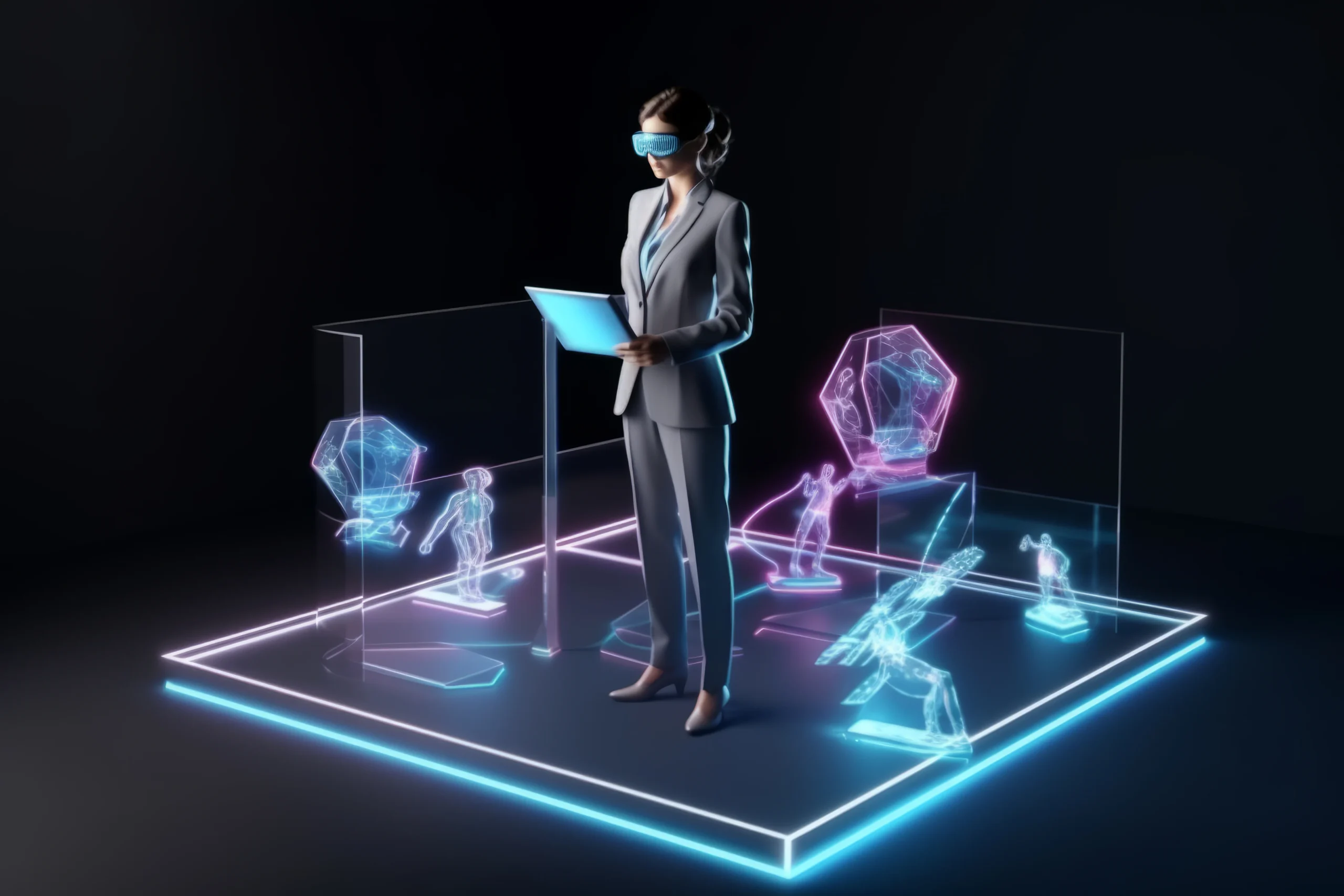
1.3. Augmented Reality (AR) and Virtual Reality (VR)
- Immersive Experiences: AR and VR technologies will offer immersive user experiences that go beyond traditional screens. UX Design will focus on creating intuitive and engaging environments in both virtual and augmented spaces.
- Enhanced Prototyping: AR and VR will also be used for prototyping and testing designs, providing more interactive and realistic previews of user interactions.
1.4. Gesture-Based Interactions
- Touchless Controls: Gesture-based interactions will allow users to control devices and applications through physical movements, enhancing accessibility and convenience.
- Haptic Feedback: Advances in haptic technology will provide users with tactile feedback, improving the sensory experience and making interactions more intuitive.
1.5. Biometric Authentication
- Secure and Seamless Access: Biometric authentication methods, such as facial recognition and fingerprint scanning, will become more integrated into UX Design, offering secure and convenient ways for users to access their accounts and devices.
Personalized Security: Biometric data will also enable more personalized security measures, adapting to individual user behaviors and preferences.
2. Innovations Shaping UX Design
Innovations in UX Design are driven by advancements in technology, design principles, and user expectations. Here are some key innovations to consider:
2.1. Adaptive and Responsive Design
- Fluid Layouts: As devices become more diverse, UX Design will need to focus on creating fluid layouts that adapt seamlessly to different screen sizes and orientations.
- Context-Aware Interfaces: Interfaces will become more context-aware, adjusting their functionality and appearance based on the user’s environment, device, and interaction patterns.
2.2. Data-Driven Design
- Behavioral Analytics: Leveraging data analytics to understand user behavior and preferences will enable more informed design decisions and optimization of user experiences.
- Predictive Design: Data-driven insights will allow designers to anticipate user needs and proactively address potential issues, leading to more efficient and effective interactions.
2.3. Inclusive and Accessible Design
- Universal Design Principles: UX Design will increasingly focus on inclusivity and accessibility, ensuring that digital experiences are usable by individuals with diverse abilities and needs.
- Assistive Technologies: Integration with assistive technologies, such as screen readers and voice control, will be essential for creating accessible and user-friendly designs.
2.4. Ethical Design Practices
- Privacy and Security: As data privacy concerns grow, UX Design will need to prioritize ethical practices, including transparent data collection and robust security measures.
- User Empowerment: Ethical design will also involve empowering users with control over their data and providing clear choices regarding data usage and permissions.
2.5. Seamless Multichannel Experiences
- Omnichannel Design: Creating consistent and cohesive user experiences across multiple channels and touchpoints will be crucial for maintaining user engagement and satisfaction.
Integrated Ecosystems: UX Design will focus on integrating various platforms and devices into a unified ecosystem, allowing users to transition smoothly between different environments.
3. Preparing for the Future of UX Design
To stay ahead in the rapidly evolving field of UX Design, organizations should consider the following strategies:
3.1. Embrace Continuous Learning
- Stay Informed: Keep up with the latest trends, technologies, and best practices in UX Design through industry publications, conferences, and online resources.
- Invest in Training: Provide ongoing training and professional development opportunities for UX designers to ensure they are equipped with the skills needed to adapt to emerging trends.
3.2. Foster Innovation and Experimentation
- Encourage Creativity: Create an environment that encourages experimentation and creative thinking. Allow designers to explore new ideas and technologies to drive innovation.
- Pilot New Technologies: Test and evaluate emerging technologies and design approaches through pilot projects and prototypes to assess their potential impact on user experiences.
3.3. Prioritize User-Centric Design
- Engage with Users: Continuously gather feedback from users through surveys, usability testing, and user interviews to ensure that designs meet their needs and expectations.
Iterate and Refine: Use iterative design processes to refine and improve user experiences based on feedback and performance data.
If you think good design is expensive, you should look at the cost of bad design.
4. Case Studies: Future-Forward UX Design
Examining case studies of organizations that have successfully adopted future-forward UX Design practices can provide valuable insights:
4.1. Google
- Material Design: Google’s Material Design is an example of how a comprehensive design system can enhance user experiences across different platforms and devices.
4.2. Microsoft
- Fluent Design System: Microsoft’s Fluent Design System focuses on creating immersive and adaptive experiences across various devices, incorporating elements such as light, depth, and motion.
4.3. IKEA
AR Integration: IKEA’s use of augmented reality through its app allows users to visualize furniture in their own homes, enhancing the shopping experience and facilitating more informed purchasing decisions.

Conclusion
The future of User Experience Design is characterized by rapid technological advancements and evolving user expectations. By staying informed about emerging trends and innovations, organizations can create user-centric experiences that drive engagement, satisfaction, and success. At Digilogy, India’s leading Creative Design and Content Agency, we are dedicated to exploring these future trends and leveraging them to deliver exceptional UX Design solutions.
If you’re ready to embrace the future of UX Design and create innovative experiences for your users, contact us today to learn how we can help you achieve your design goals.
About Digilogy
- Tags :
- Design