 Unlock ₹50,000 worth of Premium Digital Services — 100% free –


Omnichannel Marketing: Creating Seamless Customer Experiences Across Platforms
- September 20, 2024
- White Paper-Advertising agency

By Digilogy – India’s Leading Advertising Agency
Introduction
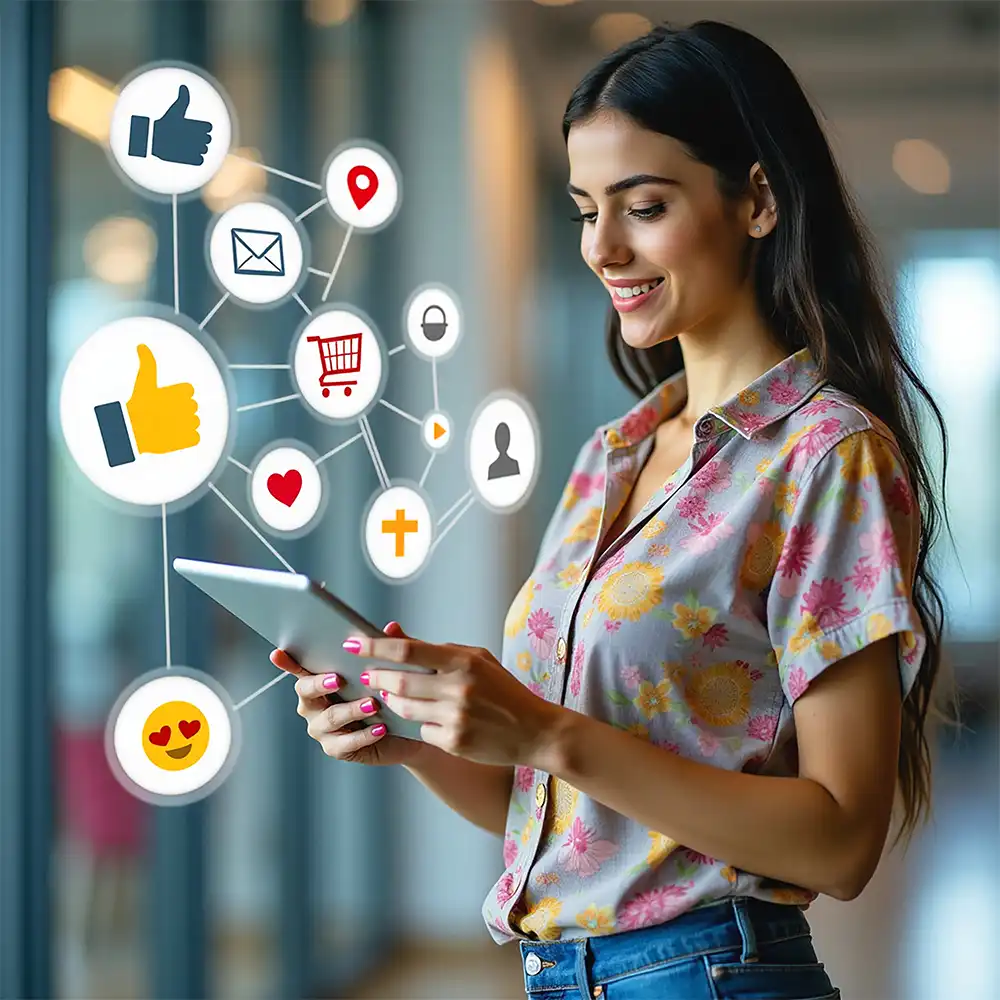
In today’s digital world, consumers engage with brands through multiple touchpoints—from social media and mobile apps to websites and physical stores. As a result, delivering a seamless and consistent experience across all channels has become a critical aspect of modern marketing. Omnichannel marketing is a strategy that integrates all customer touchpoints to create a unified experience, ensuring that consumers have a seamless journey, regardless of the platform they use.
With the omnichannel approach, brands can deliver personalized, cohesive interactions, making it easier to build lasting relationships with customers. As we move forward, omnichannel marketing is no longer an option; it’s a necessity for brands to stay competitive and meet evolving consumer expectations.
In this white paper, we explore the importance of omnichannel marketing, its key benefits, and how brands can implement it to enhance customer experiences across all platforms.
1. What is Omnichannel Marketing?
Omnichannel marketing is the practice of providing a seamless and integrated customer experience across all communication channels and touchpoints. Unlike multi-channel marketing, where each channel operates independently, omnichannel marketing ensures that all channels work together to create a cohesive brand experience.
Customers today expect to interact with brands across a variety of platforms, including websites, social media, email, mobile apps, and in-store experiences. Omnichannel marketing ensures that these interactions are interconnected, offering customers consistent messaging, personalized experiences, and the flexibility to move between channels without disruption.
For example, a customer might start their journey by browsing products on a brand’s website, then switch to their mobile device to complete a purchase, and later visit the physical store to pick up the item. With omnichannel marketing, the customer’s information and preferences are carried seamlessly across each platform, creating a unified and frictionless experience.
2. The Importance of Omnichannel Marketing
The rise of digital technologies has dramatically shifted consumer behavior, making omnichannel marketing a crucial component of any successful marketing strategy. Here’s why:
- Changing Consumer Expectations: Today’s consumers are more empowered than ever. They expect brands to provide personalized, real-time experiences across every channel. Whether they are engaging on a website, through email, or in a store, customers want consistent, relevant interactions.
- Increased Customer Retention and Loyalty: Omnichannel strategies lead to stronger customer relationships. By providing seamless experiences across channels, brands can foster customer loyalty and increase retention. A well-executed omnichannel strategy ensures that customers feel valued at every touchpoint, encouraging repeat purchases and long-term loyalty.
- Enhanced Brand Consistency: One of the key benefits of omnichannel marketing is the ability to maintain brand consistency. Every touchpoint reinforces the brand’s message and identity, creating a more cohesive and trustworthy brand experience. This consistency is crucial for building brand recognition and recall.
- Improved Data Collection and Insights: Omnichannel marketing enables brands to collect data from various touchpoints, providing a comprehensive view of customer behavior. By analyzing this data, brands can gain valuable insights into customer preferences and habits, allowing them to refine their marketing efforts and create more personalized experiences.
3. Key Benefits of Omnichannel Marketing
Implementing an omnichannel strategy offers several advantages that enhance both the customer experience and the brand’s overall marketing effectiveness:
- Seamless Customer Experience: With omnichannel marketing, customers can effortlessly move between online and offline platforms without interruption. This seamless integration provides convenience and flexibility, allowing customers to engage with the brand on their terms.
- Personalization at Scale: Omnichannel marketing enables brands to deliver personalized content and offers based on customer data gathered from various channels. By analyzing past interactions, purchase history, and preferences, brands can create tailored experiences that resonate with individual customers, improving engagement and satisfaction.
- Higher Engagement and Conversion Rates: When customers experience consistency and personalization across channels, they are more likely to engage with the brand and make purchases. Omnichannel marketing increases the chances of conversion by providing relevant content at the right time, ensuring that customers receive the information they need to make informed decisions.
- Better Attribution and Measurement: One of the challenges in modern marketing is accurately measuring the impact of different channels on customer behavior. Omnichannel marketing provides a holistic view of the customer journey, enabling brands to track and attribute conversions more effectively. This helps marketers optimize their campaigns and allocate resources to the most impactful channels.
4. Implementing an Omnichannel Strategy
To successfully implement an omnichannel marketing strategy, brands must take a customer-centric approach. Here are the key steps:
- Understand Your Audience: The first step in creating an omnichannel strategy is to understand your target audience. Analyze customer data to identify behaviors, preferences, and pain points. This will help you design personalized experiences that resonate with your audience.
- Integrate Technology and Platforms: A seamless omnichannel experience requires integrating all your marketing platforms, from CRM systems and email marketing tools to social media and e-commerce platforms. Use marketing automation to synchronize data and ensure that customer information flows smoothly across all channels.
- Leverage Data for Personalization: Omnichannel marketing relies on data to provide personalized experiences. Use customer insights from various touchpoints to create relevant content and offers that meet the individual needs of each customer. Personalized recommendations, dynamic ads, and targeted emails can all contribute to a more engaging experience.
- Ensure Consistency Across Channels: Consistency is key to an effective omnichannel strategy. Ensure that your brand messaging, visuals, and tone are consistent across all channels, whether a customer is visiting your website, interacting on social media, or shopping in-store.
- Measure and Optimize: Continuously track the performance of your omnichannel efforts by measuring engagement, conversion rates, and customer satisfaction across channels. Use this data to optimize your strategy, making adjustments to improve the customer experience and maximize ROI.
5. The Future of Omnichannel Marketing
As consumer behavior continues to evolve, the future of omnichannel marketing will be shaped by several key trends:
- AI and Machine Learning: Artificial intelligence will play a larger role in omnichannel marketing, enabling brands to analyze data more effectively and deliver even more personalized experiences. Machine learning algorithms will help predict customer needs and automate personalized content delivery across channels.
- Voice and Visual Search: As more consumers adopt voice assistants and visual search technologies, omnichannel strategies will need to accommodate these new behaviors. Brands will need to optimize their content and product listings for voice and visual search to ensure they remain accessible across emerging platforms.
- Mobile-First Experiences: With mobile usage continuing to rise, brands must prioritize mobile-first experiences in their omnichannel strategies. This includes optimizing websites, apps, and communication channels for mobile users, ensuring fast loading times and easy navigation.
- The Integration of Physical and Digital: The boundary between physical and digital experiences will continue to blur. Brands will need to integrate their online and offline channels more closely, using technologies such as augmented reality (AR) and location-based services to enhance the in-store experience.
Conclusion
Omnichannel marketing is essential for brands that want to create seamless, personalized, and consistent customer experiences across platforms. By embracing this strategy, brands can improve customer engagement, increase conversions, and build lasting loyalty.
At Digilogy, India’s leading advertising agency, we specialize in creating omnichannel marketing strategies that deliver impactful results. Our expertise in integrating digital and traditional marketing channels ensures that our clients can provide their customers with the best possible experience, no matter where they engage with the brand.
If you’re ready to elevate your marketing strategy and create seamless customer experiences across platforms, contact us today to learn how we can help you achieve your business goals.
About Digilogy
Digilogy is India’s leading advertising agency, offering cutting-edge solutions in digital marketing, media buying, and brand strategy. Our expertise in omnichannel marketing enables us to create personalized campaigns that drive growth and success for brands across industries.
By Digilogy – India’s Leading Advertising Agency
Introduction
In today’s digital world, consumers engage with brands through multiple touchpoints—from social media and mobile apps to websites and physical stores. As a result, delivering a seamless and consistent experience across all channels has become a critical aspect of modern marketing. Omnichannel marketing is a strategy that integrates all customer touchpoints to create a unified experience, ensuring that consumers have a seamless journey, regardless of the platform they use.
With the omnichannel approach, brands can deliver personalized, cohesive interactions, making it easier to build lasting relationships with customers. As we move forward, omnichannel marketing is no longer an option; it’s a necessity for brands to stay competitive and meet evolving consumer expectations.
In this white paper, we explore the importance of omnichannel marketing, its key benefits, and how brands can implement it to enhance customer experiences across all platforms.
1. What is Omnichannel Marketing?
Omnichannel marketing is the practice of providing a seamless and integrated customer experience across all communication channels and touchpoints. Unlike multi-channel marketing, where each channel operates independently, omnichannel marketing ensures that all channels work together to create a cohesive brand experience.
Customers today expect to interact with brands across a variety of platforms, including websites, social media, email, mobile apps, and in-store experiences. Omnichannel marketing ensures that these interactions are interconnected, offering customers consistent messaging, personalized experiences, and the flexibility to move between channels without disruption.
For example, a customer might start their journey by browsing products on a brand’s website, then switch to their mobile device to complete a purchase, and later visit the physical store to pick up the item. With omnichannel marketing, the customer’s information and preferences are carried seamlessly across each platform, creating a unified and frictionless experience.

2. The Importance of Omnichannel Marketing
The rise of digital technologies has dramatically shifted consumer behavior, making omnichannel marketing a crucial component of any successful marketing strategy. Here’s why:
- Changing Consumer Expectations: Today’s consumers are more empowered than ever. They expect brands to provide personalized, real-time experiences across every channel. Whether they are engaging on a website, through email, or in a store, customers want consistent, relevant interactions.
- Increased Customer Retention and Loyalty: Omnichannel strategies lead to stronger customer relationships. By providing seamless experiences across channels, brands can foster customer loyalty and increase retention. A well-executed omnichannel strategy ensures that customers feel valued at every touchpoint, encouraging repeat purchases and long-term loyalty.
- Enhanced Brand Consistency: One of the key benefits of omnichannel marketing is the ability to maintain brand consistency. Every touchpoint reinforces the brand’s message and identity, creating a more cohesive and trustworthy brand experience. This consistency is crucial for building brand recognition and recall.
- Improved Data Collection and Insights: Omnichannel marketing enables brands to collect data from various touchpoints, providing a comprehensive view of customer behavior. By analyzing this data, brands can gain valuable insights into customer preferences and habits, allowing them to refine their marketing efforts and create more personalized experiences.
3. Key Benefits of Omnichannel Marketing
Implementing an omnichannel strategy offers several advantages that enhance both the customer experience and the brand’s overall marketing effectiveness:
- Seamless Customer Experience: With omnichannel marketing, customers can effortlessly move between online and offline platforms without interruption. This seamless integration provides convenience and flexibility, allowing customers to engage with the brand on their terms.
- Personalization at Scale: Omnichannel marketing enables brands to deliver personalized content and offers based on customer data gathered from various channels. By analyzing past interactions, purchase history, and preferences, brands can create tailored experiences that resonate with individual customers, improving engagement and satisfaction.
- Higher Engagement and Conversion Rates: When customers experience consistency and personalization across channels, they are more likely to engage with the brand and make purchases. Omnichannel marketing increases the chances of conversion by providing relevant content at the right time, ensuring that customers receive the information they need to make informed decisions.
- Better Attribution and Measurement: One of the challenges in modern marketing is accurately measuring the impact of different channels on customer behavior. Omnichannel marketing provides a holistic view of the customer journey, enabling brands to track and attribute conversions more effectively. This helps marketers optimize their campaigns and allocate resources to the most impactful channels.


4. Implementing an Omnichannel Strategy
To successfully implement an omnichannel marketing strategy, brands must take a customer-centric approach. Here are the key steps:
- Understand Your Audience: The first step in creating an omnichannel strategy is to understand your target audience. Analyze customer data to identify behaviors, preferences, and pain points. This will help you design personalized experiences that resonate with your audience.
- Integrate Technology and Platforms: A seamless omnichannel experience requires integrating all your marketing platforms, from CRM systems and email marketing tools to social media and e-commerce platforms. Use marketing automation to synchronize data and ensure that customer information flows smoothly across all channels.
- Leverage Data for Personalization: Omnichannel marketing relies on data to provide personalized experiences. Use customer insights from various touchpoints to create relevant content and offers that meet the individual needs of each customer. Personalized recommendations, dynamic ads, and targeted emails can all contribute to a more engaging experience.
- Ensure Consistency Across Channels: Consistency is key to an effective omnichannel strategy. Ensure that your brand messaging, visuals, and tone are consistent across all channels, whether a customer is visiting your website, interacting on social media, or shopping in-store.
- Measure and Optimize: Continuously track the performance of your omnichannel efforts by measuring engagement, conversion rates, and customer satisfaction across channels. Use this data to optimize your strategy, making adjustments to improve the customer experience and maximize ROI.

5. The Future of Omnichannel Marketing
As consumer behavior continues to evolve, the future of omnichannel marketing will be shaped by several key trends:
- AI and Machine Learning: Artificial intelligence will play a larger role in omnichannel marketing, enabling brands to analyze data more effectively and deliver even more personalized experiences. Machine learning algorithms will help predict customer needs and automate personalized content delivery across channels.
- Voice and Visual Search: As more consumers adopt voice assistants and visual search technologies, omnichannel strategies will need to accommodate these new behaviors. Brands will need to optimize their content and product listings for voice and visual search to ensure they remain accessible across emerging platforms.
- Mobile-First Experiences: With mobile usage continuing to rise, brands must prioritize mobile-first experiences in their omnichannel strategies. This includes optimizing websites, apps, and communication channels for mobile users, ensuring fast loading times and easy navigation.
- The Integration of Physical and Digital: The boundary between physical and digital experiences will continue to blur. Brands will need to integrate their online and offline channels more closely, using technologies such as augmented reality (AR) and location-based services to enhance the in-store experience.
Conclusion
Omnichannel marketing is essential for brands that want to create seamless, personalized, and consistent customer experiences across platforms. By embracing this strategy, brands can improve customer engagement, increase conversions, and build lasting loyalty.
At Digilogy, India’s leading advertising agency, we specialize in creating omnichannel marketing strategies that deliver impactful results. Our expertise in integrating digital and traditional marketing channels ensures that our clients can provide their customers with the best possible experience, no matter where they engage with the brand.
If you’re ready to elevate your marketing strategy and create seamless customer experiences across platforms, contact us today to learn how we can help you achieve your business goals.
About Digilogy
Digilogy is India’s leading advertising agency, offering cutting-edge solutions in digital marketing, media buying, and brand strategy. Our expertise in omnichannel marketing enables us to create personalized campaigns that drive growth and success for brands across industries.
Digilogy is a leading digital marketing agency specializing in comprehensive 360-degree digital solutions. With a focus on understanding clients' business goals, Digilogy offers expert strategies to navigate the complexities of the digital landscape. The agency emphasizes transparency and innovation, delivering tailored services that enhance brand visibility and drive growth. From SEO and social media marketing to content creation and digital transformation, Digilogy is committed to empowering businesses to thrive in the digital era, ensuring measurable results and sustainable success for its clients
About us and this blog
We are a digital marketing company with a focus on helping our customers achieve great results across several key areas.
Request a free quote
We offer professional SEO services that help websites increase their organic search score drastically in order to compete for the highest rankings even when it comes to highly competitive keywords.
Subscribe to our newsletter!
More from our blog
See all posts







Recent Posts
- Omnichannel Marketing: Creating Seamless Customer Experiences Across Platforms September 20, 2024
- The Evolution of Video Advertising: Maximizing Engagement in a Mobile-First World September 20, 2024
- The Rise of Programmatic Advertising: How Automation is Shaping the Future of Media Buying September 20, 2024